
If you’ve ever attended a big fat Indian wedding, a community bhandara, a religious function, or a large catered event, chances are you’ve eaten your meal seated on the floor or on a long bench, with food served along a row — a panthi. And running the length of that row, holding plates, glasses, and serving trays, is one of the most underrated heroes of Indian catering: the Stainless Steel Panthi Table.
This blog takes a close look at what these tables are, why they’ve become a catering essential, and what to consider before buying or renting one for your next big event.
What Is a Panthi Table?
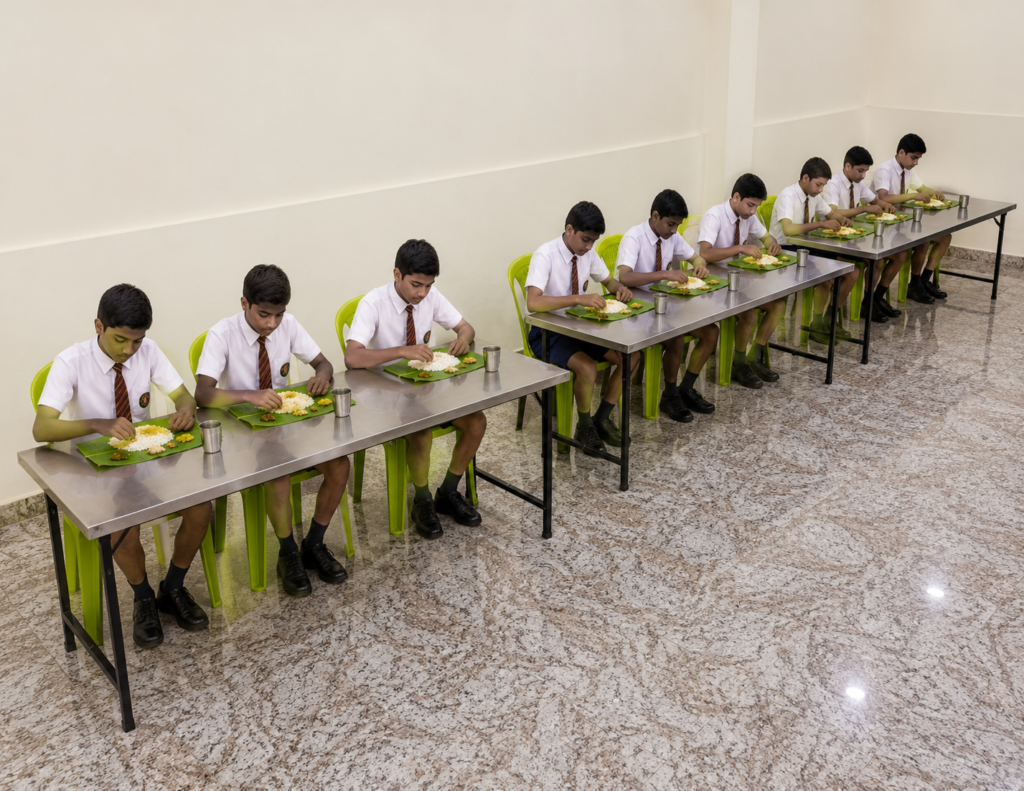
“Panthi” refers to the traditional Indian style of serving food in a long row, where guests sit side by side (on the floor, a mat, or low benches) and are served a full course meal one item at a time, walked down the line by servers. A panthi table is the long, narrow, low-height table placed in front of this seated row — used to hold thalis, plates, glasses, and serving bowls so guests can eat comfortably without balancing food on their laps.
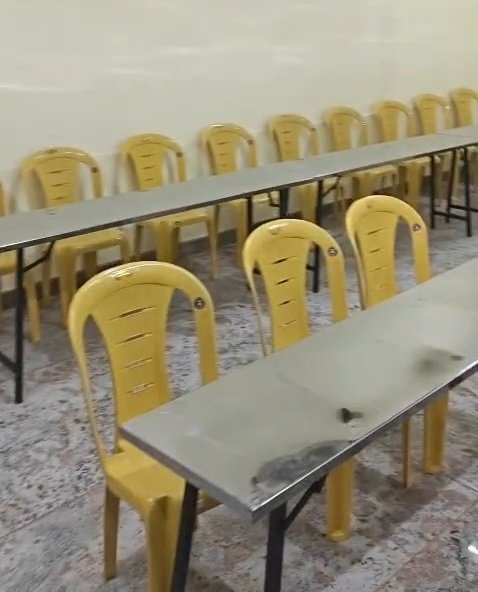
Traditionally made of wood, these tables have almost entirely shifted to stainless steel in modern catering setups — and for good reason.
Why Stainless Steel Has Taken Over
1. Hygiene That Matches Food Service Standards
Steel is non-porous and doesn’t absorb food, oil, or spice stains the way wood does. It can be wiped, washed, and even scrubbed with detergent between shifts — essential when a table might serve two or three sittings in a single evening.
2. Built to Survive Heavy Event Use
Weddings and large functions are demanding environments — tables get bumped, splashed, stacked, and moved constantly during setup and teardown. Stainless steel resists dents, rust, and warping far better than wood or plastic alternatives, giving caterers a table that lasts for years of repeated use.
3. Lightweight yet Sturdy
Most panthi tables are designed with foldable or knock-down (KD) legs, making them easy for catering staff to transport, stack, and store. Despite being lightweight, quality stainless steel gauge keeps the table stable even when loaded with heavy steel thalis and serving vessels.
4. Easy to Clean Between Events
Unlike cloth-covered or wooden banquet tables, a steel panthi table can be hosed down, wiped with a wet cloth, or cleaned with basic detergent — no special maintenance, polishing, or risk of termites and moisture damage.
5. A Professional, Uniform Look
Rows of matching stainless steel tables give catering setups — whether at a wedding lawn, community hall, temple premises, or corporate event — a clean, organized, professional appearance that guests notice.
Where Panthi Tables Are Commonly Used
- Weddings and receptions — especially in Gujarati, Rajasthani, Marwari, and Maharashtrian communities where floor-seated panthi-style meals are traditional
- Religious and community functions — bhandaras, langars, temple annadanam, and satsang gatherings
- Large-scale caterers and event planners — as rental inventory for bulk bookings
- Banquet halls and marriage lawns — as fixed or semi-permanent seating infrastructure
- School and hostel mess halls — for durable, easy-to-clean daily dining setups
Buying vs. Renting
For caterers and banquet hall owners who host events regularly, purchasing stainless steel panthi tables in bulk is usually more economical long-term, since the tables pay for themselves after a handful of bookings and require minimal upkeep.
For individuals planning a single wedding or one-off event, renting from a local catering equipment supplier is often simpler — avoiding storage concerns while still getting the same functional, professional setup.
Maintenance Tips to Extend Table Life
- Dry thoroughly after washing — even stainless steel can develop water spots or surface staining if left wet for long periods.
- Avoid dragging tables on rough ground — lift and carry to prevent leg damage or scratches.
- Store folded and stacked in a dry area to prevent bent legs from stacking pressure.
- Use mild cleaning agents — harsh abrasives can dull the finish over time.
- Check welds and hinges periodically, especially for rental inventory that sees frequent folding and unfolding.
Final Thoughts
The stainless steel panthi table may not be the most glamorous item on a wedding décor checklist, but it’s one of the most functional — quietly making sure hundreds of guests are served efficiently, hygienically, and comfortably. Whether you’re a caterer building your equipment inventory or a family planning a traditional panthi-style wedding feast, investing in good-quality stainless steel tables ensures your event runs smoothly from the very first thali served to the last.
Why Choose Dhyanalinga Enterprises?
At Dhyanalinga Enterprises, we manufacture and supply premium-grade stainless steel panthi tables built specifically for the demands of Indian weddings, community functions, and large-scale catering. Our tables are designed with durable steel construction, sturdy foldable legs for easy transport and storage, and finishes that hold up sitting after sitting, event after event.
Whether you’re a caterer building your rental fleet or a banquet hall looking to upgrade your seating infrastructure, we offer panthi tables in various lengths and steel grades to match your requirement and budget — along with bulk order pricing for large quantities.
📞 Get in touch with Dhyanalinga Enterprises to enquire about pricing, sizes, and bulk orders. 🌐 Visit us at www.rlxindia.in to explore our full range of catering and event equipment.
Looking to buy or rent stainless steel panthi tables for an upcoming event? Contact Dhyanalinga Enterprises today for pricing based on table length, steel grade, and bulk order discounts.